

Váš protizánětlivý životní styl: Hodnocení
Výsledky se zobrazí zde.
Chronic inflammation is often described as the silent killer. While acute inflammation is your body’s natural defense mechanism-like when you twist an ankle or cut your finger-chronic inflammation lingers. It smolders in the background for months or even years, damaging healthy tissues and increasing the risk of serious conditions like heart disease, type 2 diabetes, and certain cancers. If you feel constantly tired, have unexplained joint pain, or struggle with weight despite eating well, low-grade zánět v těle might be the culprit. The good news? You have significant control over it through lifestyle changes.
What Is Chronic Inflammation?
To fight what you don’t understand, you first need to define it. Inflammation is a biological response by the body's immune system to harmful stimuli such as pathogens, damaged cells, or irritants. Acute inflammation is short-lived and protective. However, when this response doesn't switch off, it becomes chronic. This state involves persistent activation of immune cells, specifically macrophages and neutrophils, which release cytokines that keep the inflammatory cycle going. Unlike an acute injury where redness and heat signal healing, chronic inflammation often has no visible signs, making it harder to detect without blood tests or careful self-observation.
Why Your Body Keeps Fighting Itself
So, why does the fire never go out? Several factors contribute to this systemic issue. One major driver is oxidative stress. When free radicals outnumber antioxidants in your body, they damage cell membranes and DNA. This damage triggers an inflammatory response to repair the cells, but if the source of damage persists, the response becomes constant. Another key factor is dysbiosis-an imbalance in your gut microbiome. Since about 70% of your immune system resides in the gut, an unhealthy microbial environment can lead to "leaky gut," where undigested food particles enter the bloodstream, triggering an immune reaction throughout the body.
- Obesity: Adipose tissue (body fat) is not just storage; it’s an active endocrine organ that releases pro-inflammatory cytokines. Visceral fat, the kind around your organs, is particularly aggressive in this regard.
- Poor Sleep: Sleeping less than seven hours per night increases levels of C-reactive protein (CRP), a marker of inflammation.
- Chronic Stress: Cortisol, the stress hormone, initially suppresses inflammation, but long-term elevation leads to resistance, allowing inflammatory markers to rise unchecked.
The Power of Anti-Inflammatory Nutrition
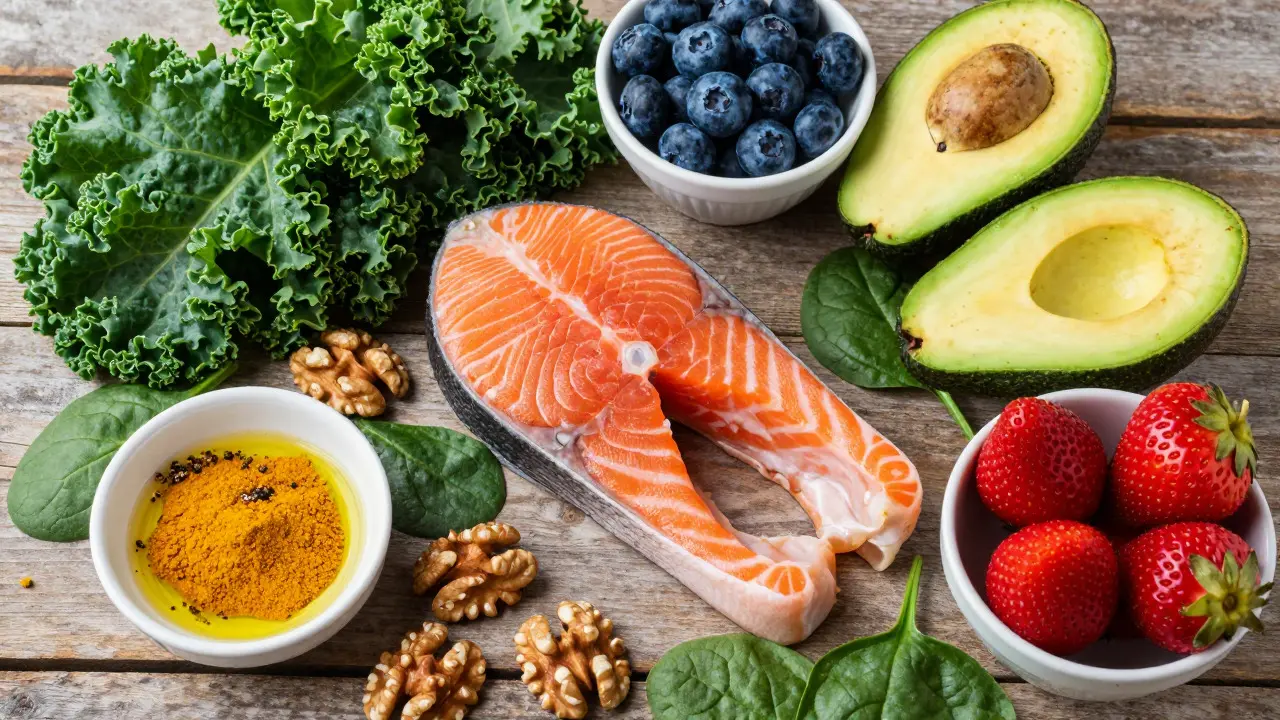
Diet is arguably the most powerful tool you have. You don’t need to follow a strict fad diet; you just need to shift your focus toward foods that calm the system. Think of your plate as a palette of colors. Dark leafy greens like spinach and kale are rich in flavonoids, which inhibit enzymes that cause inflammation. Fatty fish, such as salmon and mackerel, provide omega-3 fatty acids (EPA and DHA), which actively compete with pro-inflammatory omega-6 fatty acids found in processed seed oils.
| Category | Foods to Limit (Pro-Inflammatory) | Foods to Embrace (Anti-Inflammatory) |
|---|---|---|
| Fats | Trans fats, excessive Omega-6 (soybean/corn oil) | Olive oil, Avocado, Walnuts, Salmon |
| Sugars | Added sugars, High-fructose corn syrup | Berries (blueberries, strawberries), Cherries |
| Vegetables | Processed meats (bacon, sausages) | Cruciferous veggies (broccoli, cauliflower), Leafy greens |
| Spices | Excessive alcohol | Turmeric, Ginger, Garlic |
Turmeric deserves special mention. Its active compound, curcumin, is one of the most studied natural anti-inflammatories. However, curcumin has poor bioavailability on its own. To get real benefits, pair it with black pepper (which contains piperine) and a healthy fat like olive oil. This simple combination can enhance absorption significantly.
Lifestyle Habits That Cool the Fire
Eating right is only half the battle. How you move and rest matters just as much. Exercise is a double-edged sword here. Sedentary behavior promotes inflammation, but intense, daily high-impact exercise can also trigger it if recovery time is insufficient. The sweet spot is moderate-intensity activity, such as brisk walking, swimming, or cycling, for at least 150 minutes a week. This improves circulation and helps clear metabolic waste products that contribute to inflammation.
Sleep hygiene is another critical pillar. Aim for 7-9 hours of quality sleep. During deep sleep, your body releases growth hormones and repairs tissue. Disrupted sleep cycles elevate cortisol and inflammatory markers. Create a cool, dark sleeping environment and limit screen exposure at least an hour before bed to support melatonin production.
Monitoring Progress and Medical Support
You can’t manage what you don’t measure. While home remedies help, regular check-ups with your doctor are essential. Ask for specific blood tests that indicate systemic inflammation. The standard marker is C-Reactive Protein (CRP). A high-sensitivity CRP (hs-CRP) test is more precise for assessing cardiovascular risk associated with chronic inflammation. Other markers include Erythrocyte Sedimentation Rate (ESR) and Interleukin-6 (IL-6).
If lifestyle changes alone aren’t enough, or if you have an underlying autoimmune condition, medical intervention may be necessary. Doctors might prescribe NSAIDs (non-steroidal anti-inflammatory drugs) for short-term relief, but these carry risks for the stomach and kidneys if used long-term. For severe cases, biologic therapies targeting specific cytokines might be considered. Always consult a healthcare provider before starting any new supplement regimen, especially if you are on blood thinners or other medications.

Common Myths About Inflammation
There is a lot of misinformation online. Let’s clear up a few common myths. First, sugar isn’t the only enemy. While refined sugar spikes insulin and triggers inflammation, so do highly processed carbohydrates and trans fats. Second, gluten isn’t inherently inflammatory for everyone. Unless you have Celiac disease or a diagnosed non-Celiac gluten sensitivity, eliminating gluten won’t necessarily reduce your inflammation. Third, detox teas are mostly marketing. Your liver and kidneys are already excellent detox organs; they just need hydration and proper nutrients to function well.
Creating Your Personal Action Plan
Overhauling your life overnight is unsustainable. Start small. Pick one area to focus on for two weeks. Maybe it’s swapping out vegetable oil for olive oil. Or maybe it’s adding a 20-minute walk after dinner. Once that habit sticks, add another layer. Consistency beats intensity. Track how you feel-energy levels, joint comfort, mental clarity-and note any improvements. Keep a simple journal to correlate dietary or lifestyle changes with your physical sensations.
Remember, reducing chronic inflammation is a marathon, not a sprint. It’s about building a sustainable relationship with your body rather than punishing it with restrictive diets. By addressing nutrition, movement, sleep, and stress, you create an internal environment where your immune system can function efficiently without overreacting. Your body is resilient; give it the right tools, and it will heal itself.
How long does it take to see results from anti-inflammatory changes?
Most people report feeling more energetic and experiencing less joint stiffness within 4 to 8 weeks of consistent dietary and lifestyle changes. Blood markers like hs-CRP may show improvement after 3 months of sustained effort.
Is coffee inflammatory?
For most healthy adults, moderate coffee consumption (3-4 cups a day) is actually linked to lower inflammation due to its high antioxidant content. However, if caffeine disrupts your sleep, it may indirectly increase inflammation via stress hormones.
Can stress really cause physical inflammation?
Yes. Chronic psychological stress keeps cortisol levels elevated. Over time, this leads to glucocorticoid resistance, meaning your body stops responding to cortisol’s anti-inflammatory signals, allowing inflammation to run wild.
What is the best blood test to check for inflammation?
The High-Sensitivity C-Reactive Protein (hs-CRP) test is the gold standard for measuring low-grade chronic inflammation. An ESR (Erythrocyte Sedimentation Rate) test is also commonly used but is less specific.
Do supplements work better than whole foods?
Whole foods generally provide a synergistic mix of compounds that work together. Supplements can be helpful if you have a specific deficiency or difficulty consuming certain foods, but they should complement, not replace, a balanced diet.
